
More than 35 million Americans report housing-related health concerns each year, ranging from asthma triggers and mold exposure to pest infestations and structural hazards, data from the Centers for Disease Control and Prevention (CDC) shows. As cities grapple with aging housing stock, rising rental costs, and public health disparities, housing inspections are increasingly being discussed as a public health issue rather than solely a property management concern.
Recent municipal initiatives have expanded inspection programs in several cities, particularly in neighborhoods with older buildings and higher rates of housing complaints. Public officials, housing advocates, and property owners are debating how these inspections should be implemented and enforced. Information about inspection-related remediation measures, including professional pest treatment, frequently appears in public guidance materials as local governments seek to address health-related housing conditions before they escalate.
What began as a conversation about building maintenance has evolved into a broader discussion about public health, tenant rights, and government oversight. Policymakers increasingly view housing conditions as a factor that directly influences community well-being, healthcare costs, and quality of life.
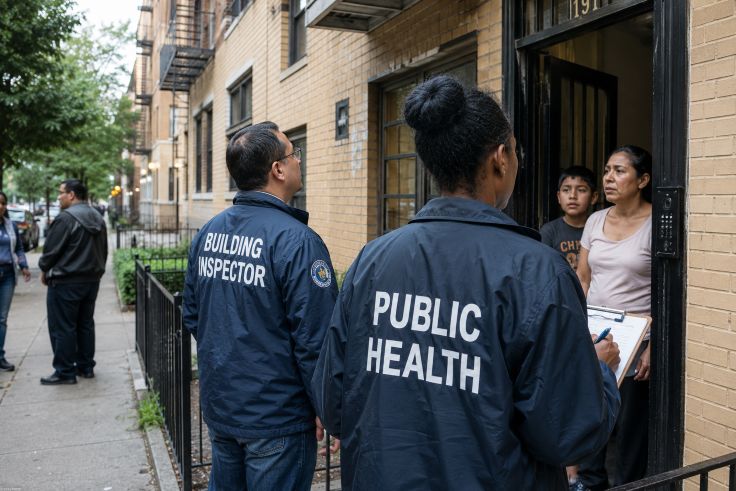
Recent Inspection Policy Trends
Cities across North America have expanded proactive rental inspection programs during the past decade. Rather than waiting for tenant complaints, some municipalities now conduct routine inspections of rental properties to identify hazards before they become serious problems.
Research published by the National Center for Healthy Housing indicates that proactive inspection programs can help identify issues such as moisture damage, pest activity, poor ventilation, lead paint risks, and overcrowding. These conditions have been linked to respiratory illnesses, injury risks, and other health concerns.
Several local governments have also adopted data-driven approaches. Inspection priorities may be determined by complaint histories, building age, neighborhood health indicators, or previous code violations. Supporters argue that targeted inspections allow limited public resources to focus on areas with the greatest need.
Meanwhile, housing advocates note that many renters are reluctant to report problems due to fears of eviction or retaliation. Routine inspections can potentially uncover issues that otherwise remain unaddressed.
Public Reaction to Expanded Inspections
Public response has been mixed. Tenant organizations generally support stronger inspection programs, arguing that safe housing is a basic public health necessity. Many residents view inspections as an important safeguard against neglect and unsafe living conditions.
Housing advocacy groups frequently cite findings from the American Public Health Association, which recognizes housing quality as a major social determinant of health. Advocates argue that poor housing conditions can contribute to chronic health issues, particularly among children, older adults, and individuals with existing medical conditions.
Property owners and landlord associations, however, have raised concerns about administrative burdens, compliance costs, and the potential for inconsistent enforcement. Some argue that inspection programs should focus on high-risk properties rather than applying broad requirements across entire rental markets.
Critics also question whether local governments have sufficient staffing and funding to conduct inspections efficiently. Delays in scheduling inspections or processing reports can create frustration among both landlords and tenants.
As a result, public discussions often center on finding a balance between tenant protections and practical implementation.
Health Department Perspectives
Health departments increasingly emphasize the connection between housing quality and community health outcomes. The World Health Organization (WHO) identifies housing conditions as a significant environmental determinant of health, noting that indoor hazards can contribute to disease transmission, respiratory illnesses, injuries, and mental health challenges.
Health officials frequently point to issues such as mold growth, inadequate heating, poor sanitation, and pest infestations as examples of conditions that may affect residents’ physical well-being. Studies published by the Environmental Protection Agency (EPA) and the CDC have linked certain indoor environmental conditions to asthma triggers and allergic reactions.
Many public health experts argue that preventive intervention is more effective than responding after serious health problems emerge. By identifying risks early, inspections can potentially reduce healthcare costs and improve living conditions. Broader public health discussions increasingly examine how environmental conditions, healthcare accessibility, and social factors intersect. Efforts focused on addressing communication barriers in public health reflect a similar goal of reducing systemic obstacles that can affect community well-being and health outcomes.
Some jurisdictions have expanded collaboration between housing inspectors and public health agencies. These partnerships allow departments to share data, coordinate responses, and identify trends that may require broader intervention.
Housing Authority Responses
Housing authorities have generally responded by emphasizing both compliance and education. Many agencies now provide guidance materials, workshops, and technical assistance to help property owners understand health-related housing standards.
Rather than relying exclusively on penalties, some municipalities encourage corrective action plans that allow landlords to address identified issues within established timelines. Officials argue that education and cooperation often produce more sustainable improvements than punitive measures alone.
Federal housing programs have also contributed to the conversation. The U.S. Department of Housing and Urban Development (HUD) continues to promote housing quality standards that address health and safety concerns in assisted housing programs.
Data from HUD suggests that maintaining healthy housing environments can improve tenant stability and reduce long-term maintenance costs. As inspection programs evolve, many housing authorities are exploring ways to integrate health considerations into existing regulatory frameworks without creating excessive administrative complexity.
Broader Political Implications
The growing connection between housing inspections and public health has broader political implications. Policymakers increasingly recognize that housing quality intersects with issues such as healthcare access, economic inequality, neighborhood investment, and urban development.
Debates over inspection programs often reflect larger questions about the role of government in regulating private property and protecting public welfare. Supporters argue that safe housing standards are essential for community health and economic productivity. Opponents sometimes express concern about regulatory expansion and its impact on housing affordability.
Housing shortages in many urban areas further complicate these discussions. Some policymakers worry that excessive compliance costs could discourage property investment or reduce available rental units. Others contend that inadequate enforcement allows unsafe conditions to persist, ultimately creating higher social and healthcare costs.
Experts from the Urban Institute note that effective housing policy often requires balancing affordability, safety, and enforcement objectives simultaneously. As cities continue to address housing challenges, inspection programs are likely to remain part of broader policy discussions.
Conclusion
Urban housing inspections are increasingly being viewed through a public health lens because housing conditions directly affect residents’ well-being. Recent policy trends show growing interest in proactive oversight, while public reactions reveal ongoing debates about implementation, cost, and fairness.
Health agencies, housing authorities, and policymakers generally agree that safe living environments play an important role in community health. The challenge lies in developing inspection systems that effectively address environmental hazards, maintenance concerns, and sanitation issues while maintaining practical standards for property owners.
As cities continue to confront aging infrastructure, affordability pressures, and health disparities, housing inspections will likely remain an important topic within public health and political discussions. The conversation is no longer limited to buildings alone; it increasingly centers on how housing conditions shape the health and quality of life of entire communities.